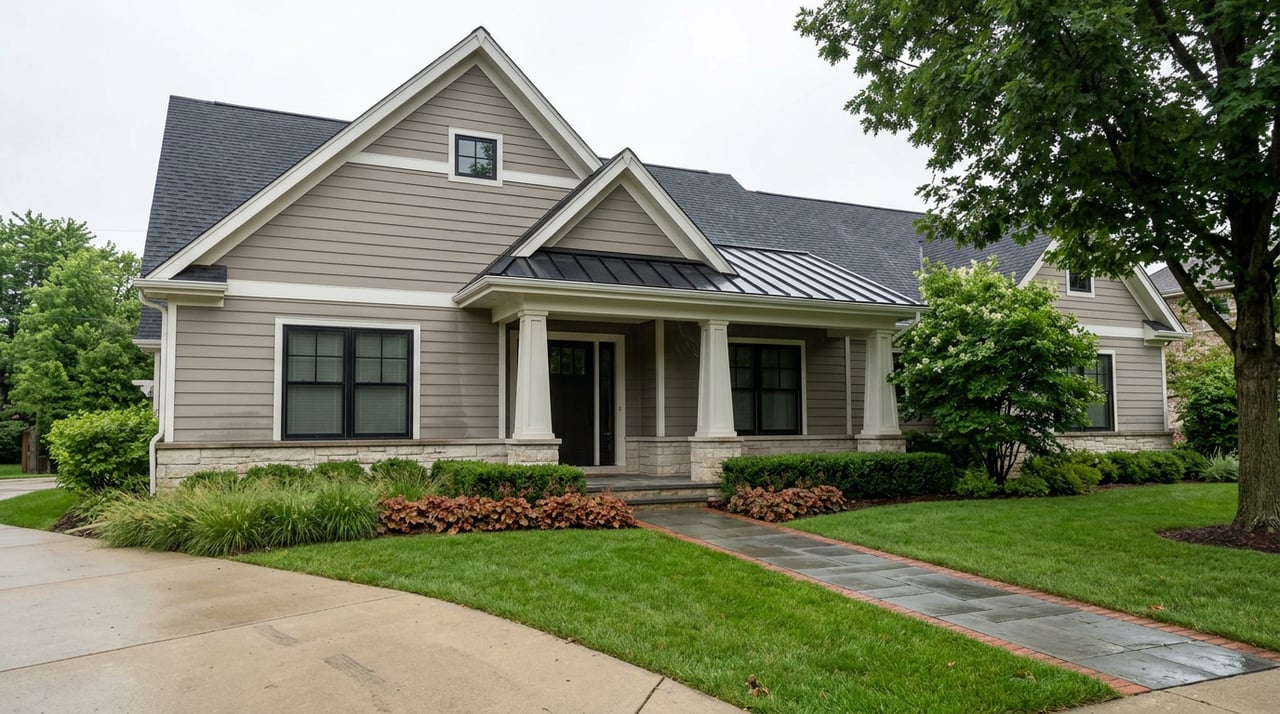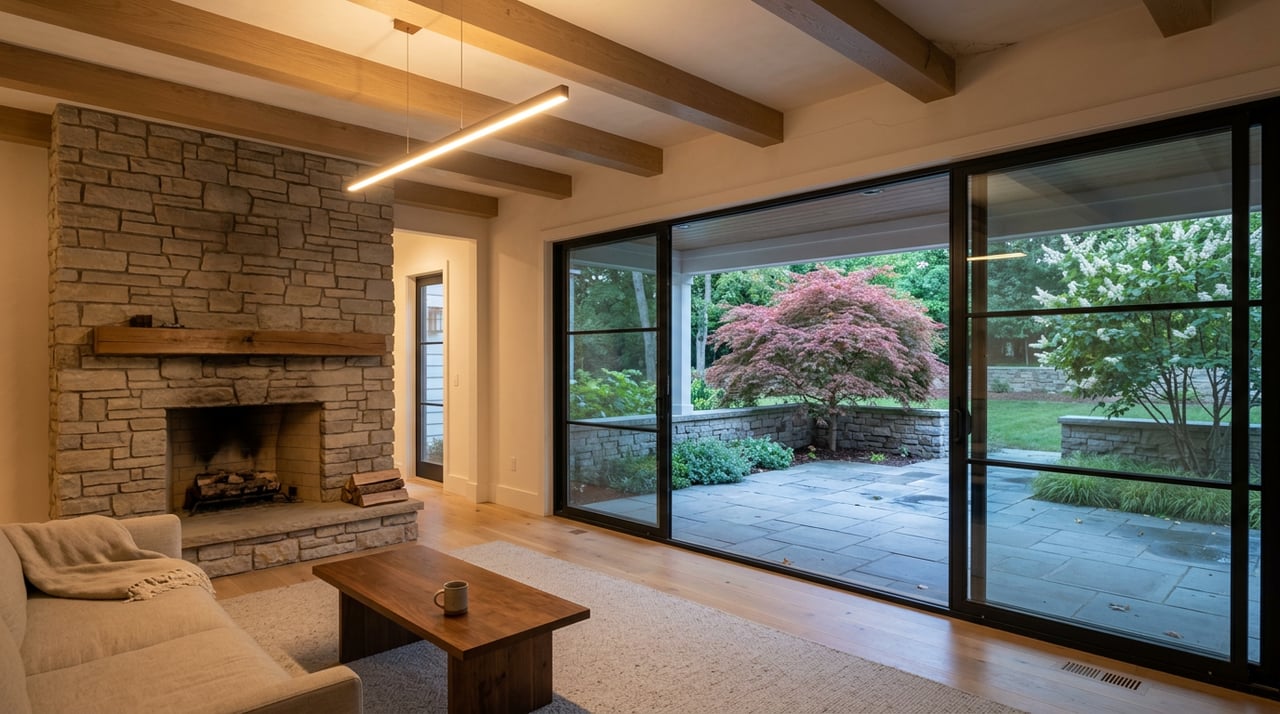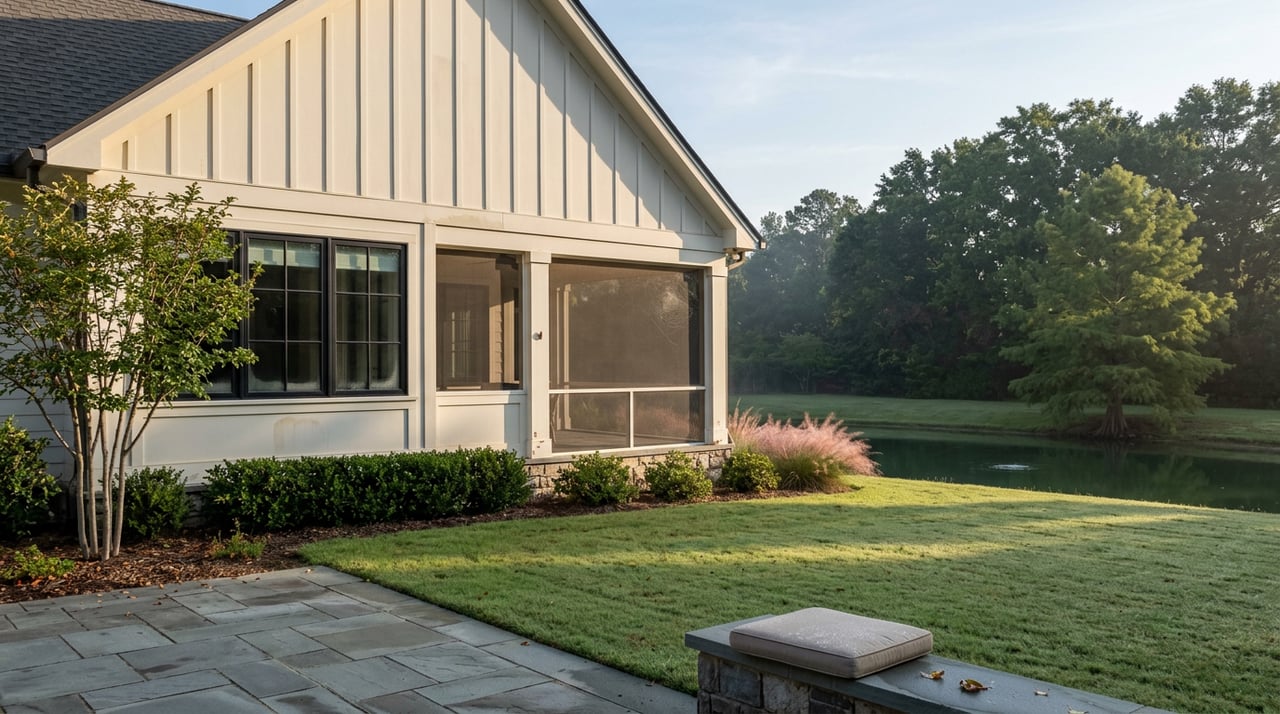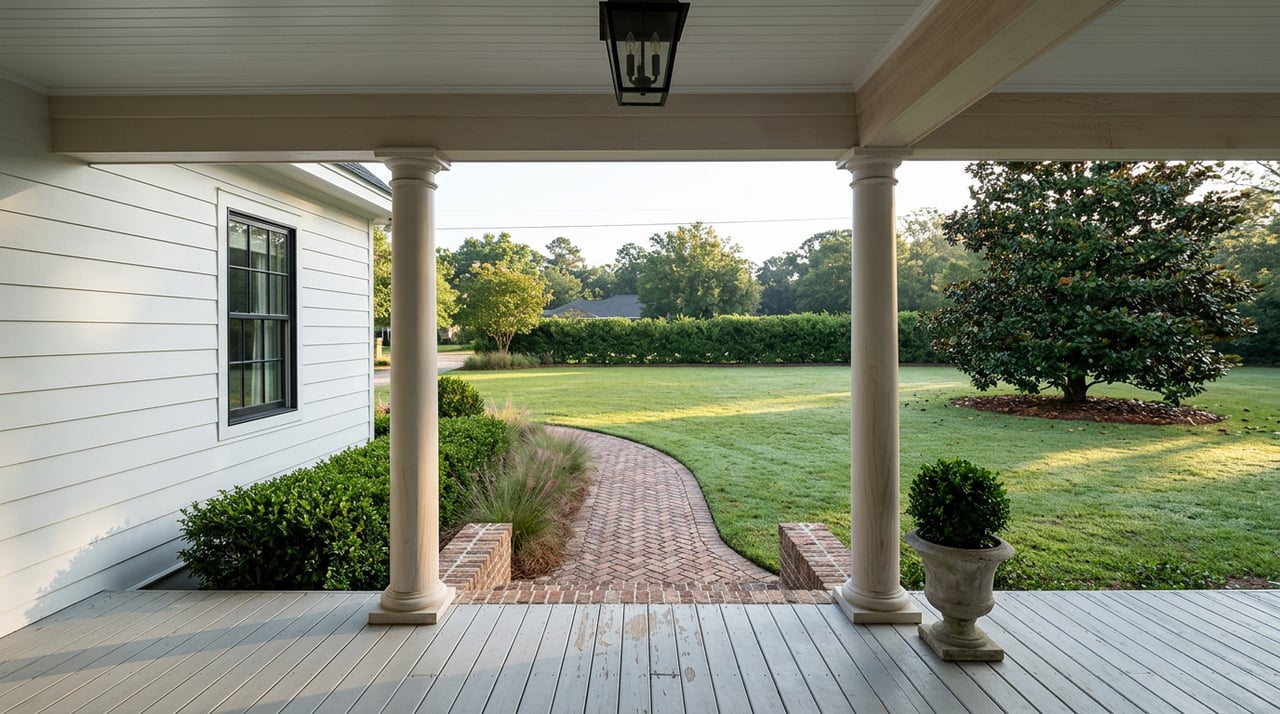
More than a decade ago, homeowners in Magnolia Green got letters from Chesterfield County that had nothing to do with their mortgage, their HOA dues, or anything they remembered signing at closing. The letters said they owed thousands of dollars, an amount reported at the time to average around $8,000 per house, toward road work near the community. Residents said no one had told them this was coming. County officials said the obligation had been documented all along, just not necessarily by the people who sold them the house.
That dispute is old news. The assessment behind it is not. The Lower Magnolia Green Community Development Authority is still active, its board was still meeting as recently as March 2026, and the mechanism that surprised buyers in 2014 is the same one sitting quietly on parcels in the neighborhood today. If you are comparing Magnolia Green to other Chesterfield communities right now, this is the number the median price, the square footage, and the school zone will not tell you. You have to go looking for it.
The Rate on the Tax Bill Isn't the Whole Story
Chesterfield County's real estate tax rate for 2026 is $0.89 per $100 of assessed value, and that number applies the same way whether you're buying in Magnolia Green, Hallsley, or anywhere else in the county. It is the figure most buyers mentally file away as "the tax number" and move on.
What that rate doesn't capture is the CDA. Chesterfield's own description of the mechanism is blunt about it: there is no special tax rate associated with the CDA, and the improvements are instead paid for through annual special assessments billed directly to property owners inside the district. The Lower Magnolia Green CDA was created in 2007 specifically to finance transportation upgrades tied to the community's growth, including widening Woolridge and Otterdale Roads. It borrowed $28,070,000 to do it, and that debt gets repaid one parcel at a time.
This is why two homes that look identical on paper, similar price, similar size, same builder era, can carry different ongoing obligations. One might be inside the CDA boundary. One might not. The listing won't say either way.
Seven Classes, One Community
The county didn't set a flat per-house fee. The CDA's assessment structure divides properties into seven land use classes, and for single-family lots, the dividing line is lot width, measured from the building restriction line at roughly 50, 75, 85, and 100 feet. In 2016, the CDA Administrator sent formal notice to every affected owner establishing the principal lien tied to their specific lot class.
What that means for a buyer today is straightforward but easy to miss: the assessment isn't a community-wide flat tax. It's parcel-specific, tied to how the lot was originally platted. A narrower lot and a wider lot two streets apart can sit in different classes with different remaining balances. Square footage on the house tells you nothing about which class the lot falls into.
Why "Magnolia Green" Now Covers More Ground Than It Used To
Part of what makes this harder to track is scale. Magnolia Green has grown well past its original footprint since 2007. HHHunt has built out multiple townhome sections in the community, with its most recent phase marketed as the final one under that builder. Mungo has added Legacy Park, with homes ranging from roughly 2,756 to over 4,100 square feet on lots that back up to the community's Nicklaus-designed golf course, along with Charleston Landing's smaller-footprint plans built around first-floor primary suites.
Separately, and often confused with the residential community, Chesterfield's Economic Development Authority acquired a 2,057-acre tract known as Upper Magnolia Green in 2020, zoned for future schools, a library, and technology-focused development, unrelated to the 2007 residential CDA. Same name, different land, different financing history.
The practical takeaway isn't that newer sections are automatically outside the original CDA boundary or that older sections are automatically inside it. It's that the community has expanded enough, through enough different builders and enough different phases, that no buyer should assume a parcel's status based on which builder's sign was in the yard. The only way to know is to check the parcel itself.
What Skipping the Check Actually Costs
For a move-up buyer comparing Magnolia Green against a community without a CDA, the assessment changes the real monthly cost of ownership in a way the sale price never will. It can also complicate a sale down the road: an unresolved principal lien on a parcel is the kind of detail that surfaces during title work, sometimes later than a seller or buyer would like.
For anyone timing two transactions, selling one home while buying in Magnolia Green, this is exactly the kind of line-item detail that belongs in the budget conversation before an offer goes in, not after a closing disclosure lands with a number nobody expected.
"There is no special tax rate associated with the CDA," Chesterfield County's real estate assessment page states plainly.
The rest of that sentence, in the county's own language, explains that the improvements are instead funded through annual special assessments billed directly to property owners inside the district. That distinction is the whole mechanism. It's also the reason a portal's median price and a county's parcel record can tell two different stories about the same house.
Where to Actually Look Before You Write an Offer
Before making a decision on a specific address in Magnolia Green, a buyer has a few concrete ways to settle the question:
- Pull the parcel through Chesterfield's Real Estate Assessment Data (READ) system or Parcel Viewer, both listed on the county's real estate assessments page, using the property's tax ID.
- Ask the seller for a copy of the most recent annual tax bill. If the CDA assessment applies, it will show as a distinct line separate from the standard county tax.
- Contact the CDA Administrator directly to request a payoff amount or current assessment status for the parcel in question.
None of this takes long. All of it is public. The only real friction is that almost nothing on the MLS side prompts a buyer to go looking.
Frequently Asked Questions
Does every home in Magnolia Green have this assessment? No. It's tied to specific parcels within the Lower Magnolia Green CDA boundary and their assigned land use class, not to the community as a whole. Verification happens at the parcel level.
Is the CDA assessment the same thing as HOA dues? No. HOA dues fund community operations and amenities through the homeowners association. The CDA assessment is a county-administered special assessment tied to a specific infrastructure bond, and it's billed separately.
Will the assessment eventually go away? The obligation is tied to repayment of the 2007 bond issue. Buyers who want a current balance or payoff figure for a specific parcel can request that directly from the CDA Administrator rather than estimating from the original 2016 notice.
If you're weighing a home in Magnolia Green against other Chesterfield communities, the sale price is only part of the comparison. Sarah Holton works this exact intersection of pricing strategy, disclosure, and local infrastructure detail every day across Midlothian, Chesterfield, and the surrounding Richmond suburbs, and can help you check what a specific parcel actually carries before you write an offer. Let's Connect.